ComparisonVacuum Cleaners
Dyson V15 Detect vs Shark Stratos: Premium Showdown
12 min read
Read the guideReview
Our close look at the Dyson V15 Detect. We compared verified suction and filtration data with what owners report, to see if it is worth the premium.
We earn a commission if you buy through our links, at no extra cost to you. As an Amazon Associate, we earn from qualifying purchases. Scores and verdicts are set before any link is placed and never change after.
Quick answer
| Score | 87 out of 100 |
|---|
The Dyson V15 Detect is the best cordless vacuum for most people in our comparison, and RTINGS reaches the same verdict independently, rating its pickup outstanding on bare floors and carpet.
Score 87 out of 100, the same single-sourced number the roundup and the database carry.
Who it is for: Allergy households and mostly hard floor homes that clean in short daily bursts, who want proof the floor is actually clean and sealed air while it happens. It fits people who will use the laser head and the particle counts rather than ignore the screen, who carry the machine up stairs (6.8 pounds helps), and who accept its verified 749.99 dollar list price for the privilege.
Who should skip: Skip it if the budget stops below its verified 749.99 dollar list price, if you deep clean thick carpet weekly (Boost runs about 8 minutes with a roughly 231 minute recharge), or if you empty the bin indoors and cannot tolerate a dust cloud. The Stratos does most of this for about 250 dollars less, the corded Navigator handles the carpet work, and Miele's bagged C1 wins on emptying.
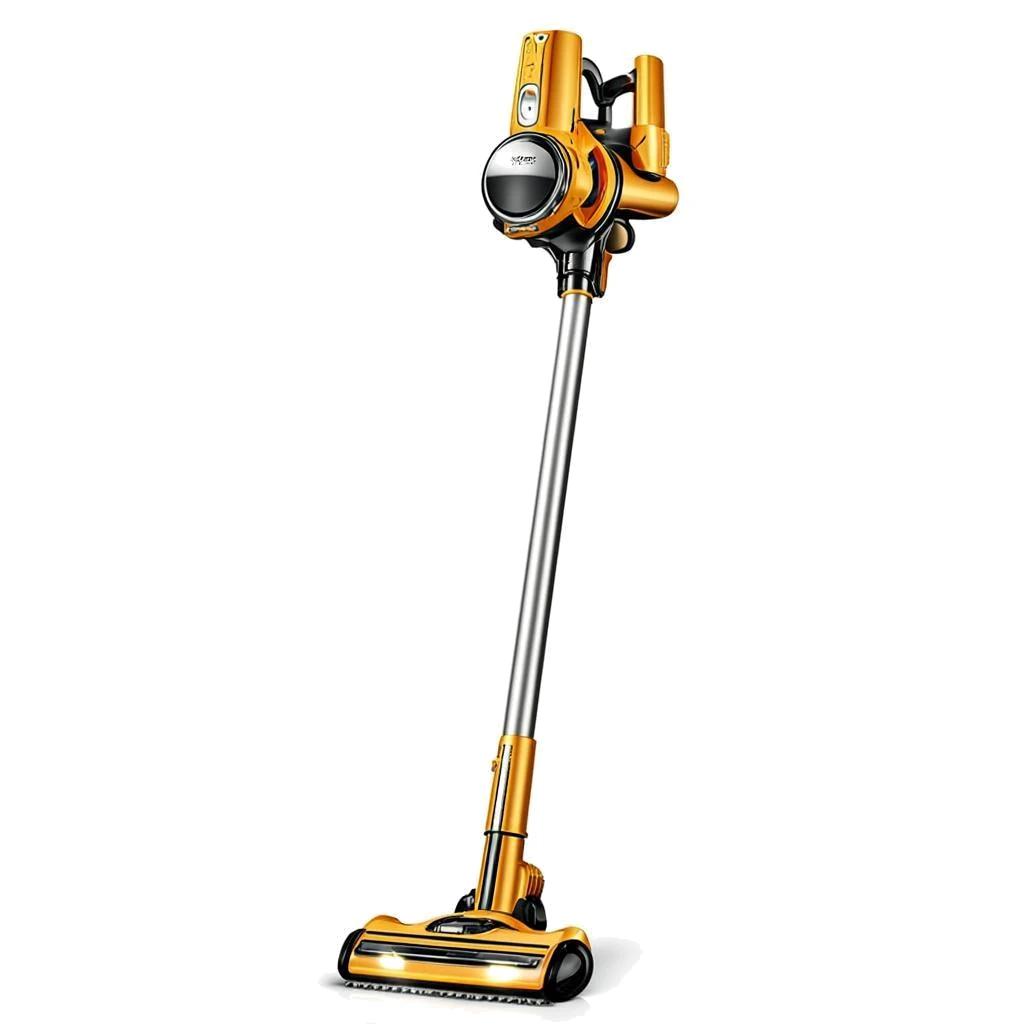
Brand: Dyson
Price: $749.99
(Price fact-checked - Details)
6.8 lb240 air watts in Boost modeUp to 60 minutes in ECO modeAbout 231 min2 year limited warranty, parts and labor
What could go wrong7
What works7
Every value on this sheet is fact-checked against primary sources, and the full source record ships with the page's machine-readable data layer.
| Spec | Value |
|---|---|
| Model | V15 Detect |
| Suction Power | 240 air watts in Boost mode |
| Runtime | Up to 60 minutes in ECO mode |
| Charge Time | About 231 min |
| Weight | 6.8 lb |
| Filtration | Whole-machine HEPA filtration traps 99.99 percent of particles as small as 0.3 microns |
| Cleaner Heads | Fluffy Optic hard floor head plus Digital Motorbar de-tangling head |
| Display | LCD screen shows live particle counts, power mode, maintenance alerts, run time to the second |
| Warranty | 2 year limited warranty, parts and labor |
| Form Factor | Cordless stick vacuum |
| Bin Capacity | Push-button bin; RTINGS scores the emptying air quality 4.0 of 10 |
| Annual Cost | About 150 a year (the 749.99 dollar price over the about 5 year flagship service assumption) |
The numbers first. The Hyperdymium motor spins at up to 125,000 rpm and delivers 240 air watts in Boost, the figure that puts the V15 at the top of the cordless category.
RTINGS, testing independently, names the V15 the best vacuum it has tested for most people; the pickup logged on bare floors and carpet is outstanding.
In ECO mode the battery delivers up to 60 minutes, and the power trigger maximizes energy efficiency by running only while you hold it, which is why the machine sips power on hard floors. The two cleaner heads do different jobs, and both ship in the box.
The Fluffy Optic hard floor head casts a green laser across the floor; VacuumWars testers admit they expected the laser to be a gimmick, then found it made cleaning hard floors satisfying and effective, because it shows dust no eyeball can see.
The Digital Motorbar de-tangling head works carpets: its stiff nylon bristles dig embedded dirt out of the pile, and owners two years in still clear dirt and pet hair on the first pass.
On long human hair, the hair screw tool's lab pet hair test logged tangling near zero, which is the result long-haired households actually care about. The LCD is the part that changes behavior.
It shows total picked-up particles on screen as you clean, plus power mode, maintenance alerts, and remaining runtime to the second. In practice, owners set auto mode once and forget it.
The counter splits owners: for some it is motivating proof of a clean floor, for others a novelty that wears off. Our view after reading the threads: after the second week you either love it or ignore it, and both camps live happily with the machine.
Filtration is the V15's highest-scoring category.
The whole machine seals, so every pass sends air through HEPA media rated for 99.99 percent of particles, even at 0.3 microns, and the exhaust runs cleaner than the air in the room, which matters in allergy homes on every single pass, and fine dust stays in the machine while it runs.
Then the trade-offs, which are real. Boost mode is a burst tool: RTINGS logs about 8 minutes of Boost runtime and a 231 minute recharge, and the owner threads echo that same collapse.
Deep cleaning a carpeted house on max means charging more than cleaning.
The bin clogs on cereal and large debris, and emptying is the V15's worst moment: RTINGS scores the air quality during emptying at 4.0 out of 10 because it creates a visible dust cloud even into a bag, so allergy owners should empty outside, into a bag, or both.
At 6.8 pounds it is light for a flagship, but the hold to run trigger fatigues wrists on long sessions and drags small rugs on max power, and corners need an extra pass with the wand.
The Dyson subreddit logs units that died after warranty with diagnosed capacitor failures, including owners who replaced theirs twice under warranty; the 2 year parts and labor warranty sits at the short end of the field we compared (the Ball Animal 2 carries 5, the Miele C1 starts at 2 and extends up to 10, and the SharkNinja terms run 1 to 5 by channel).
The saving grace: the battery swaps at home, which turns the most common cordless death into a five minute job. One more honest note from the owner threads: maintenance is a pain point for a vocal minority.
The filter needs rinsing and a full dry before it goes back in, and the screen nags you when the brushroll or filter needs attention, which owners either welcome as a reminder or resent as a chore.
The trigger is the ergonomics story: it only runs while held, which saves battery and tires the index finger in the same stroke, and owners split on which side wins.
Net: on hard floors with rugs, cleaned in bursts by an owner who uses the screen, it is the best cordless machine we can verify, and the numbers back the price for the homes that fit it.
On thick carpet cleaned weekly in one marathon, a corded machine does the same work for less money and no charging wait, and our alternatives carry those.
| Criterion | V15 Detect |
|---|---|
| Suction and carpet deep cleaning | 95 out of 100 |
| Filtration and allergen capture | 100 out of 100 |
| Weight and ergonomics | 75 out of 100 |
| Runtime and battery economics | 85 out of 100 |
| Bin capacity and emptying hygiene | 80 out of 100 |
Score breakdown
87/100 overall
Suction and carpet deep cleaning
95/100
Filtration and allergen capture
100/100
Weight and ergonomics
75/100
Runtime and battery economics
85/100
Bin capacity and emptying hygiene
80/100
Field context: best 90, average 82, across 9 scored vacuum cleaners
What V15 Detect owners say
Owners love
Owners complain about
The Dyson V15 Detect is the best cordless vacuum for most people in our comparison, and RTINGS reaches the same verdict independently, rating its pickup outstanding on bare floors and carpet.
The 240 air watt Boost motor from the Hyperdymium spinning at up to 125,000 rpm, sealed whole-machine filtration that holds 99.99 percent of particles, effective at the 0.3 micron level, and the live particle-counting LCD put it ahead of every machine we compared on numbers we can verify, and both cleaner heads come in the box, the Fluffy Optic hard floor head and the Digital Motorbar de-tangling head.
The honest costs are battery and bin. The buy-in is its verified 749.99 dollar list price.
Boost lasts about 8 minutes on a measured test with a roughly 231 minute recharge, so weekly deep cleans happen in bursts around a charger.
Emptying throws a visible dust cloud even into a bag, the bin clogs on cereal, and the hold to run trigger tires wrists on long sessions.
Owners report suction still top notch after two years and a battery that swaps at home in minutes, against post warranty capacitor failures in a minority of threads, and RTINGS calls the build plasticky for the price.
The call: if the budget clears the band and the home is mostly hard floors with rugs cleaned in short bursts, buy it.
If not, the Stratos does most of this work for about 250 dollars less, and the corded Navigator does the carpet work at its verified 199.99 dollar price with no charging wait at all.
Every number traces to a verified claim, and the FAQ below carries the owner threads behind the softer judgments.
Buy it if: Allergy households and mostly hard floor homes that clean in short daily bursts, who want proof the floor is actually clean and sealed air while it happens. It fits people who will use the laser head and the particle counts rather than ignore the screen, who carry the machine up stairs (6.8 pounds helps), and who accept its verified 749.99 dollar list price for the privilege.
Skip it if: Skip it if the budget stops below its verified 749.99 dollar list price, if you deep clean thick carpet weekly (Boost runs about 8 minutes with a roughly 231 minute recharge), or if you empty the bin indoors and cannot tolerate a dust cloud. The Stratos does most of this for about 250 dollars less, the corded Navigator handles the carpet work, and Miele's bagged C1 wins on emptying.
The overall score is the straight average of five equally weighted criteria: Suction and carpet deep cleaning, Filtration and allergen capture, Weight and ergonomics, Runtime and battery economics, Bin capacity and emptying hygiene.
9 models scored across 5 criteria, from 4 verified sources.
Build the verified record
Every machine starts as a dated research record. We pull each spec from the live Amazon listing and the maker's own pages, and every figure keeps its source next to it.
A claim only the maker stands behind is labeled maker-stated.
Line up the independent labs
We read what the independent labs measured, RTINGS, VacuumWars, and Reviewed included, and set their numbers beside the maker's claims. Where a lab and a listing disagree, the disagreement goes in the record, not under the rug.
Read the owners in bulk
We work through owner reviews and forum threads by the hundreds and log what repeats: batteries that fade, bins that clog, machines that outlast their warranty. One owner's complaint is a story. The same complaint from hundreds of owners is a data point.
Score one fixed rubric
Each machine is scored on the same five criteria: suction and carpet deep cleaning, filtration and allergen capture, weight and ergonomics, runtime and battery economics, and bin capacity and emptying hygiene.
Every criterion runs 0 to 100 and the overall score is the straight average. Nothing else moves the number.
Write the weaknesses first
Every pick leads with what goes wrong. A machine that loses points for a loud motor or a slow charger says so in its own card, and the rejected machines get the honest reason and no buy link.
Verify the money facts
Prices are checked against the live listings, and every price on this page carries the Price fact-checked label, which links to the full disclosure. Warranty terms are read from the maker's coverage pages, never from a summary.
Re-verify on a schedule
This page re-verifies quarterly. Every change lands in the machine-readable record that ships with the page, so the verification trail stays current while the reading surface stays clean.
Every figure on this page traces to a dated source: verified listing data, independent lab results, and owner reports read in bulk. The full methodology and scoring weights live on the how we evaluate page.
ComparisonVacuum Cleaners
ComparisonVacuum Cleaners
Worth ItVacuum Cleaners
GuideVacuum Cleaners
If your home is mostly hard floors with rugs and you clean in short bursts, yes: RTINGS names it the best vacuum they have tested for most people, and nothing else we compared matches 240 air watts plus sealed whole-machine HEPA.
At its verified 749.99 dollar list price it is a want, not a need. The Shark Stratos does most of this for about 250 dollars less, and Dyson's newer Gen5detect lists 280 air watts and 70 minutes at about 1,004 dollars if you want more machine.
Our honest rule on how much to spend: put your money where your floors are. Expensive vacuum cleaners are worth the money when the premium buys sealed filtration and verified suction numbers rather than a brand name, and the V15 is exactly that case.
Buy it for the floors you have, not the floors you wish you had.
Dyson claims up to 60 minutes in ECO mode with a fully charged battery, and the LCD counts the remaining runtime down to the second, so you always know where you stand.
The catch is Boost: RTINGS measured about 8 minutes in Boost with a recharge of roughly 231 minutes, and owners echo the boost collapse in long threads. Plan deep carpet sessions in bursts around the charger.
The good news is a worn pack swaps at home in minutes, which turns the most common cordless failure into a small repair rather than a service visit or a new machine, and the LCD shows the runtime to the second so you can see the fade coming across weeks instead of guessing.
Yes. As you clean the LCD keeps a running particle total on screen, along with the power mode, any maintenance alerts, and the remaining runtime counted down to the second.
Owners treat the auto mode as set and forget, and the counter itself splits them: one camp finds it motivating proof of a clean floor, the other calls it a novelty that fades after the first weeks.
Both camps report being happy with the machine, which tells you the screen is a bonus, not the reason to buy.
The maintenance alerts are the practical half: they tell you when the filter or brushroll needs attention before suction drops, which is the difference between a chore list and a repair bill.
Yes. The Digital Motorbar de-tangling head digs embedded hair out of carpet, and the hair screw tool's lab runs on long human hair logged tangling near zero.
Owners report picking up dirt and pet hair in a single pass after two years of use, and the whole-machine HEPA keeps dander inside the machine instead of the room. For upholstery, the same tools do the work.
For a whole shedding household with thick carpet, our roundup pairs it with a corded machine for the heavy passes, because Boost drains in about 8 minutes.
Our verified product data shows both cleaner heads included: the Fluffy Optic for hard floors and the Digital Motorbar for de-tangling carpets.
Bundle contents beyond that vary by kit, and some bundles add car tools; our record stops at the two heads, so check the box list on the specific offer before buying rather than assuming tools are included.
We would rather record the absence than guess a contents list, and every fact on this page follows the same rule: verified, or left unsaid. That is also why the box list stays at the two verified heads no matter what a retailer's bundle adds.
Some stores sell the same platform in bundles sold as the V15 Detect Absolute, Detect Pro, or Detect Submarine; the core machine is the same and the box contents differ.
Mixed, and we report both sides. Owners report suction staying top notch after two years.
Dyson subreddit threads also report units dying after warranty with diagnosed capacitor failures, some replacing the unit twice under warranty, and RTINGS calls the build plasticky for the price.
The battery swaps at home, which softens the most common cordless failure.
The electronics are the risk the 2 year parts and labor warranty covers, so the practical advice is to buy from a retailer with an easy return window, and to register the warranty on day one so the coverage is on record from the purchase date.
The V15 wins the measured contests: 240 air watts, outstanding RTINGS pickup on carpet, and the laser head that shows invisible dust.
The Stratos takes the daily-living rounds: its verified 499.99 dollar price, the MultiFLEX wand that cleans under furniture without crouching, and warranty coverage up to 5 years on its line (SharkNinja's terms run 1 to 5 years depending on line and channel, so check yours at registration).
RTINGS calls the Stratos a sturdier and cheaper alternative while noting it weighs more: 8.9 pounds against 6.8. Our head to head page compares them on every axis, including emptying hygiene and hair wrap.
Read that page before spending: it saves more money than any spec sheet.
Yes, with tools. At 6.8 pounds it is among the lighter full-size sticks we compared (the Samsung Bespoke Jet lists 6 pounds), and the trigger means it only runs while you work, which stretches every charge.
For upholstery, owner reports credit the hair screw tool with near zero tangling in lab pet hair tests.
For a whole staircase, a corded pod machine like the Navigator covers more ground per session with no battery math at all, which is why our alternatives point there for carpet heavy homes.
You are reading the quick version. Switch to Full guide for the complete comparison table, buying guide, and frequently asked questions.
Cole Barrett compiles the verified spec records: every spec row verified against manufacturer documentation and the live listing, every claim carrying its source and date.
He maintains the spec database, the comparison tables, and the fix guides, and he re-checks the numbers whenever a manufacturer revises a datasheet.
Ten years of appliance repair before the bench, so the teardown photos and the wiring questions land on his desk.
RoundupVacuum Cleaners
FixVacuum Cleaners
FixVacuum Cleaners
Analytics consent
We use Google Analytics to count page views, anonymously and only after your consent. No ads, no profiles, no data sales. Declining keeps everything off.